We are passionate about helping dogs live their happiest, healthiest lives. Canine hip dysplasia is one of those conditions that bring pain and mobility issues. But it’s not a lost hope; with our help, your dog can still enjoy a full, active life.
Our dog physical therapy services are designed to support dogs with hip dysplasia, offering comprehensive rehabilitation to improve comfort and mobility. We explore what hip dysplasia is, which breeds are most at risk, how to spot the signs, treatment options, surgical considerations, why physical therapy is often the best choice, and how to prevent this degenerative condition.
What Is Hip Dysplasia?
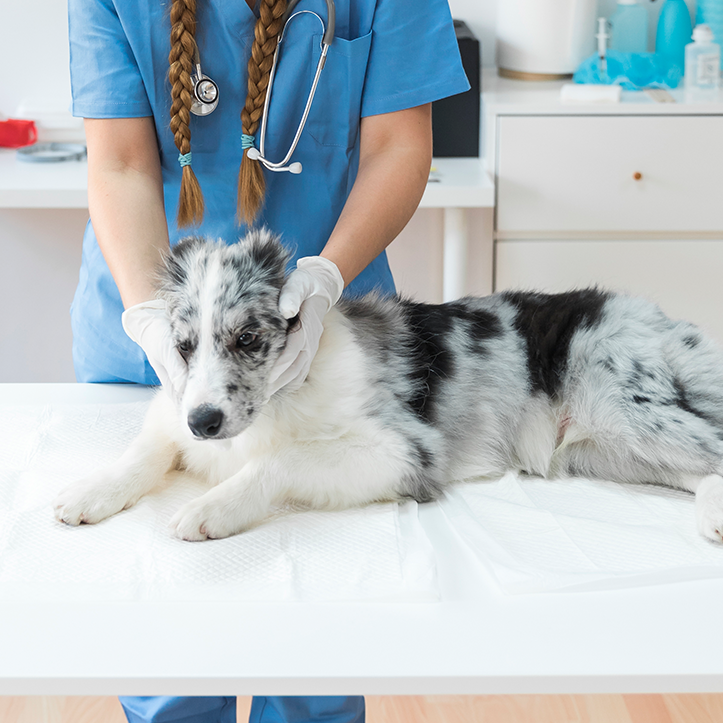
Canine hip dysplasia is a developmental condition affecting the hip joint. This happens when the hip’s ball and socket don't fit together properly. This misalignment can lead to joint dislocation, pain, and progressive degeneration of the hip joints. Over time, the abnormal wear and tear can cause arthritis, making movement painful for your dog. Hip dysplasia in dogs is often hereditary, but environmental factors, i.e., rapid growth, excessive weight, or intense exercise during puppyhood can also influence it.
The condition ranges from mild to severe hip dysplasia, with some dogs showing minimal symptoms and others experiencing significant discomfort. Early detection and intervention are the keys in managing this degenerative condition and maintaining your dog's quality of life. Our physical therapy programs put a premium on strengthening the muscles around the hip joint to stabilise it and reduce pain, offering a non-invasive approach to treating dogs with hip dysplasia.
The Most Prone Breeds
Certain dog breeds are more susceptible to hip dysplasia due to genetic predispositions. Large and giant breeds are particularly at risk, as their size and growth patterns can exacerbate joint issues. Breeds commonly affected include:
While these breeds are more prone, any dog can develop hip dysplasia. Mixed-breed dogs or smaller breeds may also be affected, though less frequently. If you own a dog breed prone to this condition, proactive monitoring and early intervention can make a significant difference. We coordinate with owners of high-risk breeds to develop rehab plans to support their dog's joint health.
Signs and Symptoms of Canine Hip Dysplasia
Being knowledgeable about the indicators of hip dysplasia in dogs is crucial for early intervention. Symptoms will differ depending on the severity of the condition and the dog's age, but common indicators include limping or favouring one leg, difficulty standing up, climbing stairs, or jumping, reduced activity levels or reluctance to exercise, stiffness or pain after rest, a "bunny-hopping" gait when running, muscle loss in the hind legs, audible clicking or popping in the hip joints.
Likewise, a dog with hip dysplasia will show signs of pain when touched around the hips or display behavioural changes, such as irritability or reduced enthusiasm for play. If you notice these symptoms, it's essential to consult a veterinarian for a proper diagnosis, which may involve X-rays or physical examinations. Once diagnosed, our physical therapy services can help manage pain and improve mobility for your canine with hip dysplasia.
Treatment Options
Treating dogs with hip dysplasia involves a combination of approaches tailored to the dog's age, size, and severity of the condition. Common treatment options include:
Medication: Anti-inflammatory drugs and pain management medications can reduce discomfort and inflammation in the hip joint.
Weight Management: Maintaining your dog's healthy weight reduces stress on the hip joints, slowing the progression of the condition.
Supplements: Joint supplements, i.e., glucosamine and chondroitin, may support joint health and help reduce degenerative changes.
Physical Therapy: Targeted exercises and therapies strengthen muscles, improve joint stability, and enhance mobility without the need for surgery.
Surgical Options: In severe cases, surgical interventions may be recommended (see below for details).
Each dog's needs are unique, and our team specialises in creating customised rehabilitation plans to address canine hip dysplasia. We work closely with veterinarians to ensure a holistic approach, combining physical therapy with other treatments to maximise your dog's comfort and mobility.
Surgical Procedure
For dogs with severe hip dysplasia, surgery may be considered when non-invasive treatments aren't sufficient. Common surgical options include:
Surgery can be expensive, but pet insurance may help cover the costs, so it's worth exploring your options early. While effective for some dogs, surgical procedures carry risks and necessitate a significant recovery period. Post-surgical rehabilitation is crucial for restoring strength and mobility, and our physical therapy programs are specifically designed to support dogs throughout this process, ensuring the best possible outcomes.
Why Physical Therapy Makes the Most Sense
While there remains no cure for canine hip dysplasia, physical therapy offers a non-invasive and highly effective means of managing the condition and improve your dog's quality of life. At [Your Company Name], we believe physical therapy is often the best choice for treating dogs with hip dysplasia for several reasons:
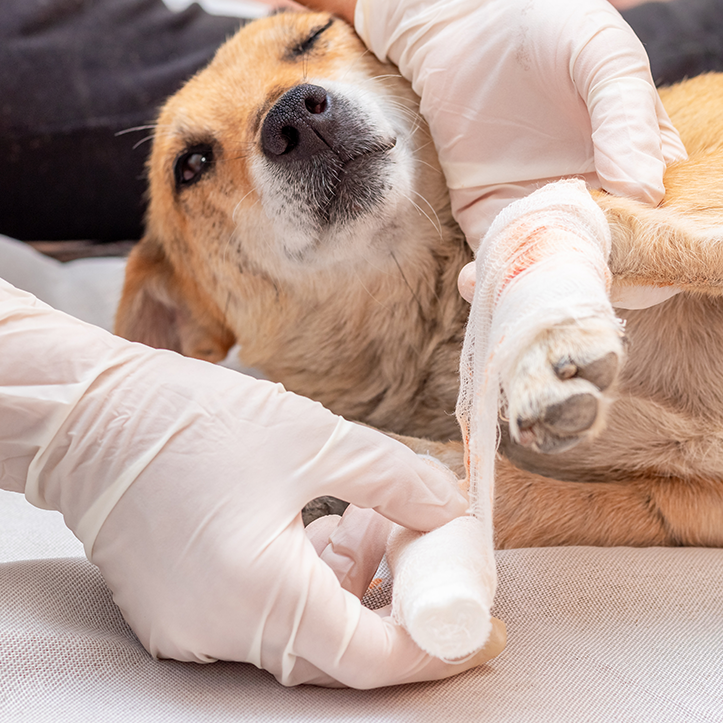
Pain Management: Targeted exercises and therapies, such as hydrotherapy and massage, reduce pain and inflammation without relying solely on medications.
Improved Mobility: Strengthening the muscles around the hip joints provides better support, reducing the impact of joint dislocation and degeneration.
Customised Care: Every dog is different, and our rehab programs are tailored to your dog's specific needs, considering their breed, age, and condition severity.
Non-Invasive: Unlike surgery, physical therapy avoids risks like infection or prolonged recovery, making it suitable for dogs of all ages.
Long-Term Benefits: Regular therapy can help slow the progression of hip dysplasia, allowing your dog to stay active and comfortable for a longer period.
We rely on techniques like laser therapy, therapeutic exercises, and hydrotherapy to support your dog's recovery. For dogs with hip dysplasia, physical therapy is quite the game-changer, providing a sustainable approach to managing pain and maintaining mobility without the need for invasive procedures.
Prevention
While hip dysplasia is largely hereditary, you can take numerous steps to reduce the risk or severity of the condition in your dog.
First, be sure to choose reputable breeders. When selecting a puppy, ensure the breeder screens for hip dysplasia in their breeding dogs to reduce genetic risk. Your buddy must also maintain a healthy weight. Obesity adds strain on the hip joints, so it’s best that you feed your dog a balanced diet and monitor their weight.
Controlled exercise makes perfect sense, too. Avoid high-impact activities like jumping or rough play during your dog's growth phase (up to 18 months for large breeds). Pair it with regular vet check-ups since early screening, especially for high-risk breeds, can detect hip dysplasia before symptoms become severe.
Invest in joint supplements. The early use of supplements may support joint health, particularly for dog breeds prone to dysplasia. Likewise, consider pet insurance to cover potential diagnostic tests, treatments, or therapies for hip dysplasia.
By taking proactive measures, you can help your dog avoid or minimise the impact of hip dysplasia. Our team is here to guide you with preventative exercises and advice to keep your dog's hips healthy.