
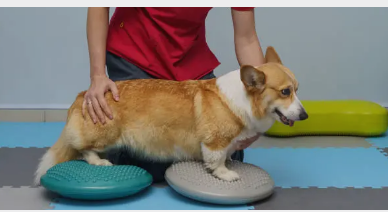
Hip dysplasia is a common joint disorder affecting dogs, particularly in larger breeds. Left unmanaged, it can cause pain, inflammation, and reduced mobility, drastically affecting a dog’s quality of life. In Portland, OR, veterinary professionals and canine rehabilitation experts increasingly turn to massage therapy for dogs with hip dysplasia as a frontline complement to conventional veterinary treatment.
Understanding Canine Hip Dysplasia
Canine hip dysplasia refers to a congenital or developmental imbalance between the hip ball and socket, resulting in laxity, abnormal wear, and inflammation of the surrounding tissues. Symptoms typically appear as follows:
- Stiffness and reluctance to jump or climb stairs
- Difficulty rising after rest
- A “bunny-hop” gait or reduced activity
- Pain or sensitivity when the hip region is touched
Diagnosis is confirmed through orthopedic exams and imaging, such as X-rays. While there is no cure short of surgery in severe cases, appropriate management—including weight control, exercise modification, medication, and rehabilitative therapy—can markedly reduce the disease’s impact.
Why Massage Therapy Matters
Reducing Pain and Inflammation
One of the foremost goals in treating hip dysplasia is to reduce discomfort. Massage therapy for dogs with hip dysplasia increases blood flow, which helps flush out inflammatory mediators and promotes healing. A skilled therapist can target affected muscles—such as the gluteals, hamstrings, and quadriceps—to reduce tightness and improve joint alignment.
Restoring Muscle Tone & Flexibility
Dysplastic hips often lead to muscle atrophy in dogs, as they favour one side or reduce their activity. Massage helps maintain or rebuild muscle tone around the hips, which is crucial for joint stability.
Enhancing Circulation & Lymphatic Flow
Massage enhances vascular and lymphatic return, thereby accelerating recovery and aiding in toxin removal. For dogs with hip dysplasia, this promotes tissue repair and reduces swelling, addressing pain at its source.
Techniques Used in Massage Therapy
Effleurage & Petrissage
These foundation strokes—effleurage (smooth, gliding) and petrissage (kneading)—are used to warm muscles and loosen fascial restrictions. They prepare the tissues for deeper work and help create a relaxed, comfortable state for the dog.
Trigger Point Release
Therapists pinpoint tight knots or trigger points within the hip and hind-leg musculature. Gentle pressure releases tension, thereby reducing pain and improving the range of motion.
Passive Range of Motion (PROM)
Although technically not a massage, PROM involves mobilising the hip joint through its full range of motion. Combined with massage, this technique supports flexibility and strengthens supportive tissues without straining the joint.
Myofascial Unwinding
Some therapists use myofascial release to gently stretch the connective tissue around the hip. It can address deep-held restrictions, improving fluidity and movement with minimal discomfort.
The Portland Approach: Local Expertise & Multidisciplinary Care
Veterinarian-Referred Rehabilitation
In Portland, many veterinary hospitals partner with certified canine rehab specialists who are trained in massage therapy for dogs with hip dysplasia. These professionals work closely with veterinarians to develop custom treatment plans, combining massage with modalities such as hydrotherapy, therapeutic lasers, and tailored exercise routines.
At-Home Care Training
Portland therapists emphasise empowering pet parents. They teach safe at-home techniques—including light massage strokes and gentle PROM exercises—so owners can continue care between clinic visits. This consistent, daily interaction supports long-term results and fosters a strong bond of trust between the pet and caregiver.
Integrative Holistic Options
Some practitioners in Portland incorporate holistic therapies—such as acupuncture, herbal analgesics, and dietary supplements—alongside massage. These integrative plans are designed to complement the effects of massage therapy for dogs with hip dysplasia using natural, supportive strategies.
Developing a Personalised Treatment Plan
Thorough Assessment
A successful plan begins with a detailed evaluation, including orthopedic history, diagnostic imaging, gait analysis, and muscle assessment. Therapists also assess the dog’s temperament, activity level, and home environment.
Goal Setting & Progress Monitoring
Common objectives include reducing pain, increasing mobility, improving muscle tone, and sustaining long-term comfort. Therapists track progress using objective measures—such as achievable exercise thresholds and gait symmetry—adjusting the massage plan accordingly.
Scheduling & Frequency
Early-stage protocols may involve weekly sessions, tapering to biweekly or monthly as the dog’s condition improves. Owners are coached on performing daily at-home maintenance to support clinic-based massage.
Conclusion:
For dogs with hip dysplasia in Portland, massage therapy provides a professional, evidence-based approach to pain relief, improved mobility, and an enhanced quality of life. When thoughtfully combined with veterinary care, targeted exercise, nutritional support, and ergonomic adjustments, it becomes a powerful instrument in long-term joint wellness.