Intervertebral disc disease (IVDD) is a worrying condition affecting dogs, where the intervertebral discs in the spinal column degenerate or become damaged, leading to spinal cord compression. These are like cushions between the vertebrae, and can bulge or herniate, causing pain and mobility issues.
IVDD in dogs is a common yet distressing condition, particularly in certain breeds, and requires prompt veterinary attention. At our dog physical therapy centre, we specialise in helping dogs with IVDD recover through non-surgical treatments, offering hope for a healthier, pain-free life.
IVDD can vary in severity, with two main types: Hansen Type I and Hansen Type II. Hansen Type I involves a sudden disc herniation, often seen in younger dogs, while Hansen Type II is a slower, degenerative process more common in older dogs. Both types can lead to discomfort and, in severe cases, loss of the ability to walk. Our mission is to provide expert care and tailored physical therapy for dogs to effectively manage this condition.
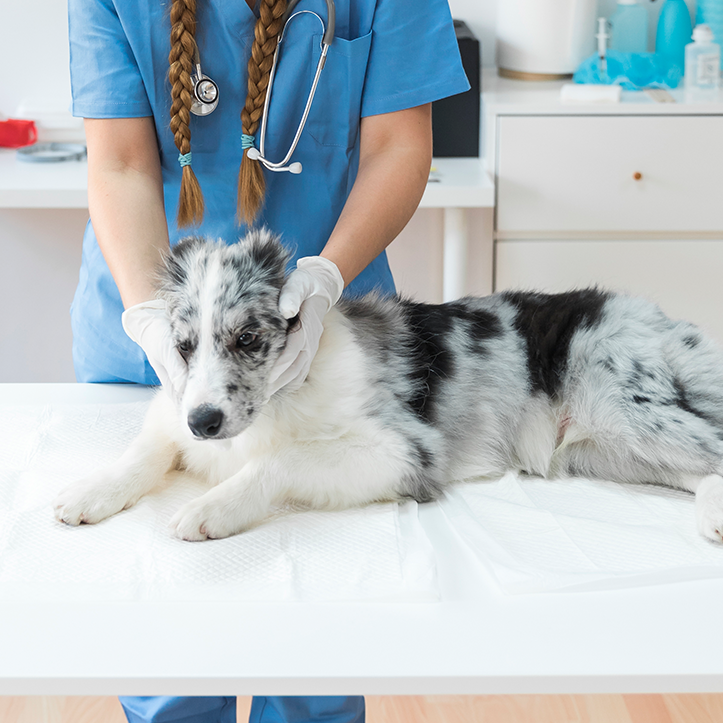
What Happens When a Dog Has Intervertebral Disc Disease (IVDD)?
When a dog develops IVDD, the intervertebral disc either bulges or ruptures, pressing on the spinal cord or nerves. This spinal cord compression can disrupt nerve signals, leading to pain, weakness, or even paralysis in severe cases. The spinal cord, a critical part of a dog’s nervous system, is highly sensitive to pressure, and any damage to the disc can impair a dog’s mobility and quality of life.
In Hansen Type I IVDD, a sudden disc herniation can occur, often triggered by trauma or vigorous activity. This is common in breeds like the Dachshund, where the disc material protrudes into the spinal canal, causing acute pain and neurological issues. Hansen Type II, on the other hand, involves gradual disc degeneration, which slowly compresses the spinal cord over time. Both scenarios require immediate veterinary assessment to determine the best course of treatment and prevent further damage to the dog’s spinal cord.
IVDD Pain: Possible Causes
The pain associated with IVDD in dogs stems from the pressure exerted on the spinal cord or surrounding nerves due to disc herniation or bulging. This spinal cord compression can inflame tissues, leading to discomfort that ranges from mild to debilitating. The causes of IVDD-related pain include:
Understanding these causes helps our veterinary team at our specialty centre design targeted treatment plans, including physical therapy for dogs, to alleviate pain and promote recovery.
Common Signs of IVDD in Dogs
Recognising the signs of IVDD is crucial for early intervention. Symptoms vary depending on the severity and location of the disc disease but often include:
If you notice any of these symptoms, consult a veterinarian immediately. Early detection spells the difference in your dog’s ability to recover from IVDD without surgery. Our centre offers expert assessments and care tips & advice to help manage these symptoms effectively.
Treatment Options
Treating IVDD in dogs depends on the severity of the condition and the type of disc disease. Options include conservative management and surgical intervention, and our team collaborates closely with veterinarians to determine the most suitable approach. Common treatments include:
We focus on non-surgical treatments for IVDD, combining physical therapy with veterinary care to help dogs regain their strength and mobility. Retaining a healthy weight is also critical, as excess weight can exacerbate pressure on the spinal column.
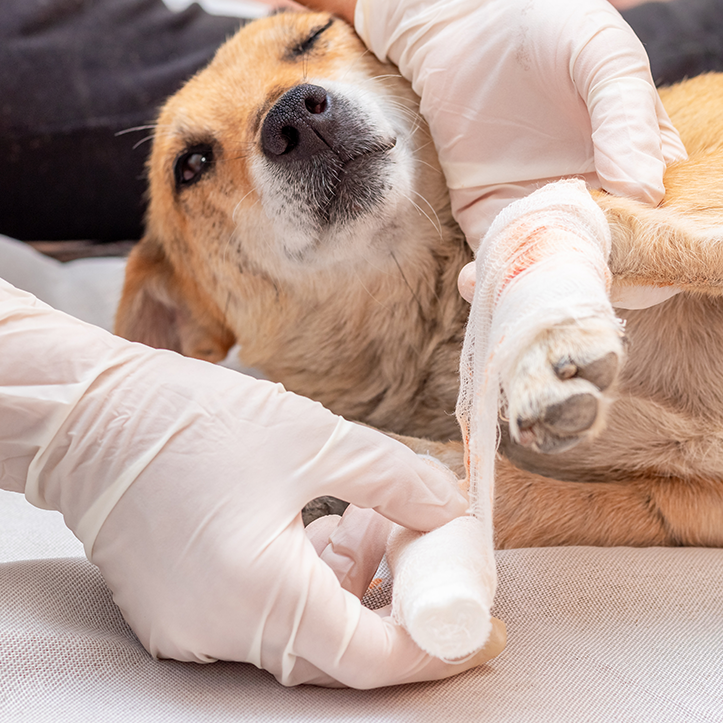
Physical Therapy As The Safest Solution
Physical therapy for dogs is a cornerstone of our approach to treating IVDD. This non-invasive method helps dogs recover from IVDD without surgery by strengthening muscles, improving mobility, and reducing pain. Our programs will address the unique needs of each dog, focusing on restoring function and promoting healthy living.
Key benefits of physical therapy for dogs with IVDD include:
IVDD in dogs is a challenging condition, but with the right care, many dogs can recover and lead happy, active lives. Whether caused by a sudden disc herniation or gradual disc disease, IVDD requires prompt attention to prevent long-term damage to the spinal cord. We commit to helping dogs with IVDD through safe, effective, and non-surgical treatments. Our focus on physical therapy, combined with expert veterinary care, offers a pathway to recovery that prioritises your dog’s comfort and mobility.
If you are uncertain if your dog is showing signs of IVDD, don’t wait—contact a veterinarian for an assessment and reach out to our clinic for customised physical therapy solutions.